

When you’re handling rusty pipe leaks, it can feel like a never-ending battle, but a few strategic steps can make all the difference. Start by identifying the source of the leak, which often reveals more about your plumbing’s overall health than you might anticipate. You’ll want to explore options like pipe sealants or epoxy putty for a temporary fix, but there’s more to ponder if you’re aiming for a long-term solution. Have you ever reflected on the role of water pressure in this equation? Understanding these elements can save you from future headaches and costly repairs.
Key Takeaways
- Regularly inspect pipes for rust and corrosion to catch leaks early.
- Use pipe sealants or epoxy putty for quick and effective leak repairs.
- Install pipe clamps as a temporary or permanent leak solution.
- Replace severely corroded pipes with durable materials like copper or PEX.
- Maintain water pressure between 40 and 60 psi to prevent pipe stress.
Identify the Source
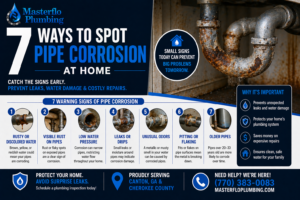
Identifying the source of a rusty pipe leak requires a keen eye and a systematic approach. First, you’ll want to inspect the entire length of the pipe. Look for visible signs of rust, which could indicate weakened areas prone to leaks. Pay attention to joints and connections, as these are common places for leaks to occur. Use a flashlight to spot any hidden rust spots that might be otherwise obscured.
Next, check for water stains or puddles that could point to a leak. If you see any, trace the water back to its origin. This might involve moving boxes or furniture if the pipes are located in a basement or under a sink. Don’t hesitate to feel around for moisture with your hands, as some leaks might not be immediately visible.
To further narrow down the source, turn off the water supply to the suspected pipe and dry the area with a cloth. Then, turn the water back on and observe where the moisture first appears. This helps pinpoint the exact location of the leak. By following these steps, you’ll effectively identify the source of the rusty pipe leak and can plan for the next steps in repairs.
Use Pipe Sealants
When dealing with rusty pipe leaks, using pipe sealants can be an effective solution to prevent further damage. Pipe sealants are specially formulated to create a watertight seal, helping you address leaks without replacing entire sections of piping. They’re perfect for minor leaks and can work well in situations where a quick fix is necessary. Here’s how you can make the most of pipe sealants:
- Choose the Right Type: Not all sealants are created equal. Look for one that’s specifically designed for your type of pipe material, whether it’s metal, PVC, or another material. This guarantees compatibility and effectiveness.
- Prepare the Surface: Before applying any sealant, clean the area around the leak thoroughly. Remove any rust, dirt, and debris to ensure the sealant adheres properly. This step is essential for the sealant’s longevity.
- Apply Pressure: Once applied, some sealants require you to press them into the leak area firmly. Follow the instructions for the best results, as the pressure can help the sealant fill gaps effectively.
Apply Epoxy Putty
Epoxy putty is a versatile solution for sealing leaks in rusty pipes, offering a stronger and more permanent fix than some other methods. When you notice a leak, start by turning off the water supply to avoid further damage. Clean the area around the leak thoroughly, removing any rust or debris. This guarantees the putty adheres properly to the pipe surface. Once the area is clean and dry, cut a piece of epoxy putty from the stick. Knead it in your hands until the color is uniform, which activates the bonding agents.
Now, press the putty firmly over the leak. Mold it to cover a slightly larger area than the leak itself, ensuring a tight seal. Use your fingers to smooth out the edges, making sure it’s flush against the pipe. Allow the putty to cure for the time specified on the product instructions—usually a few hours. Once it’s fully hardened, turn the water back on and check for leaks. If done correctly, epoxy putty can provide a long-lasting solution to your rusty pipe problem, saving you from frequent repairs and costly replacements.
Install Pipe Clamps
While epoxy putty offers a reliable fix for minor leaks, sometimes a more mechanical solution is necessary for larger or more persistent issues. That’s where pipe clamps come in handy. They provide a quick and effective way to seal leaks without having to overhaul your entire plumbing system. Installing a pipe clamp is straightforward and can be done even if you’re not an experienced DIYer.
First, locate the leaky section of the pipe and make sure it’s clean and dry. Any debris or moisture can interfere with the clamp’s effectiveness. Next, choose a clamp that matches the diameter of your pipe, ensuring a snug fit. Pipe clamps come in various sizes, so it’s important to select the right one. Finally, securely fasten the clamp over the leak using the screws provided.
Here are some benefits of using pipe clamps:
- Quick installation: Pipe clamps are easy to install, saving you time and effort.
- Cost-effective: They’re a budget-friendly option compared to complete pipe replacement.
- Temporary or permanent fix: Depending on the severity of the leak, clamps can serve as either a temporary or longer-term solution.
Consider Pipe Replacement
Considering pipe replacement becomes necessary when temporary fixes like epoxy putty and pipe clamps no longer suffice. When you notice persistent leaks, increased water bills, or visible corrosion, it’s time to evaluate the condition of your pipes. Rust can weaken pipes significantly, leading to potential water damage and increased repair costs. By opting for replacement, you not only fix the current issue but also prevent future problems.
Start by evaluating which pipes need replacing. Focus on those with visible rust, frequent leaks, or located in critical areas like bathrooms and kitchens. Once identified, consult with a professional plumber to determine the best materials for your new pipes. Options like copper or PEX offer durability and resistance to corrosion, ensuring longevity and reliability.
Budgeting for pipe replacement might seem challenging, but consider the long-term savings. Investing in new pipes can reduce repair costs and water waste, ultimately lowering your utility bills. Additionally, replacing old pipes can enhance your home’s value, providing peace of mind for years to come. Don’t wait for a disaster—proactively addressing the issue can save you time, money, and stress in the future.
Regular Maintenance Tips
Your home’s plumbing system, much like any other essential infrastructure, benefits greatly from regular maintenance. Taking a proactive approach can prevent rusty pipe leaks and extend the life of your pipes. Here’s how you can keep everything running smoothly. Start with routine checks. Set aside time every few months to look for visible signs of rust or corrosion, especially around joints and fittings. Don’t wait for a leak to happen—catch it early.
Maintain your pipes regularly. Over time, mineral deposits and debris can build up, leading to corrosion. Use a pipe cleaning solution or a simple vinegar and baking soda mix to keep them clear. This small step can prevent larger issues down the road.
Lastly, pay attention to your water quality. Hard water can accelerate rusting, so consider installing a water softener to protect your pipes. Regularly test your water to make sure it’s not contributing to pipe deterioration.
- Check pipes for rust and corrosion: Early detection is key.
- Maintain pipes to prevent buildup: Regular maintenance avoids blockages.
- Test water quality: Protect your pipes from hard water damage.
Monitor Water Pressure
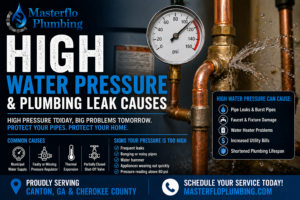
Keeping a close eye on your home’s water pressure is essential for preventing rusty pipe leaks. High water pressure can be a silent culprit, stressing pipes and joints, leading to corrosion and eventual leaks. To monitor your water pressure, you should invest in a reliable pressure gauge. Attach it to your outside faucet and take readings regularly. Ideally, your water pressure should be between 40 and 60 psi. If it exceeds this range, it might be time to adjust your pressure regulator or consult a professional.
You can easily check if your home has a pressure regulator by locating it near your main water line. If it’s there and you notice high pressure, try adjusting it yourself by turning the screw on top. Turn clockwise to increase pressure and counterclockwise to decrease it. However, if there isn’t any regulator or you’re unsure, contacting a plumber is a smart move.
Preventive Rust Measures
While monitoring water pressure is important, taking steps to prevent rust from forming on your pipes can further safeguard your plumbing system. Rust not only weakens pipes but also leads to leaks. Start by making sure your pipes are dry and free from standing water, as moisture accelerates rust. A dehumidifier in damp areas can work wonders. Additionally, apply a rust-inhibiting primer or paint to create a protective barrier on your metal pipes. This simple step can greatly extend their lifespan.
Consider these practical measures to keep rust at bay:
- Regular Inspections: Check your pipes for any signs of rust or corrosion. Early detection allows you to address problems before they worsen.
- Proper Ventilation: Ensure good airflow in areas where pipes are exposed. This reduces moisture accumulation, a key factor in rust formation.
- Water Quality: Use a water softener if your water has high mineral content. Hard water can speed up rusting due to the minerals it carries.